 jobdayta.com
 Jobs and Career in Oil Industry
Oil is a crucial natural resource primarily composed of hydrocarbons, formed from ancient organic matter over millions of years. It serves as a key energy source globally, fueling transportation, electricity generation, and industrial processes. Major producers include countries like Saudi Arabia, the United States, and Russia, influencing global economic and geopolitical dynamics. Technological advancements in extraction and refining continue to impact oil supply and environmental considerations.
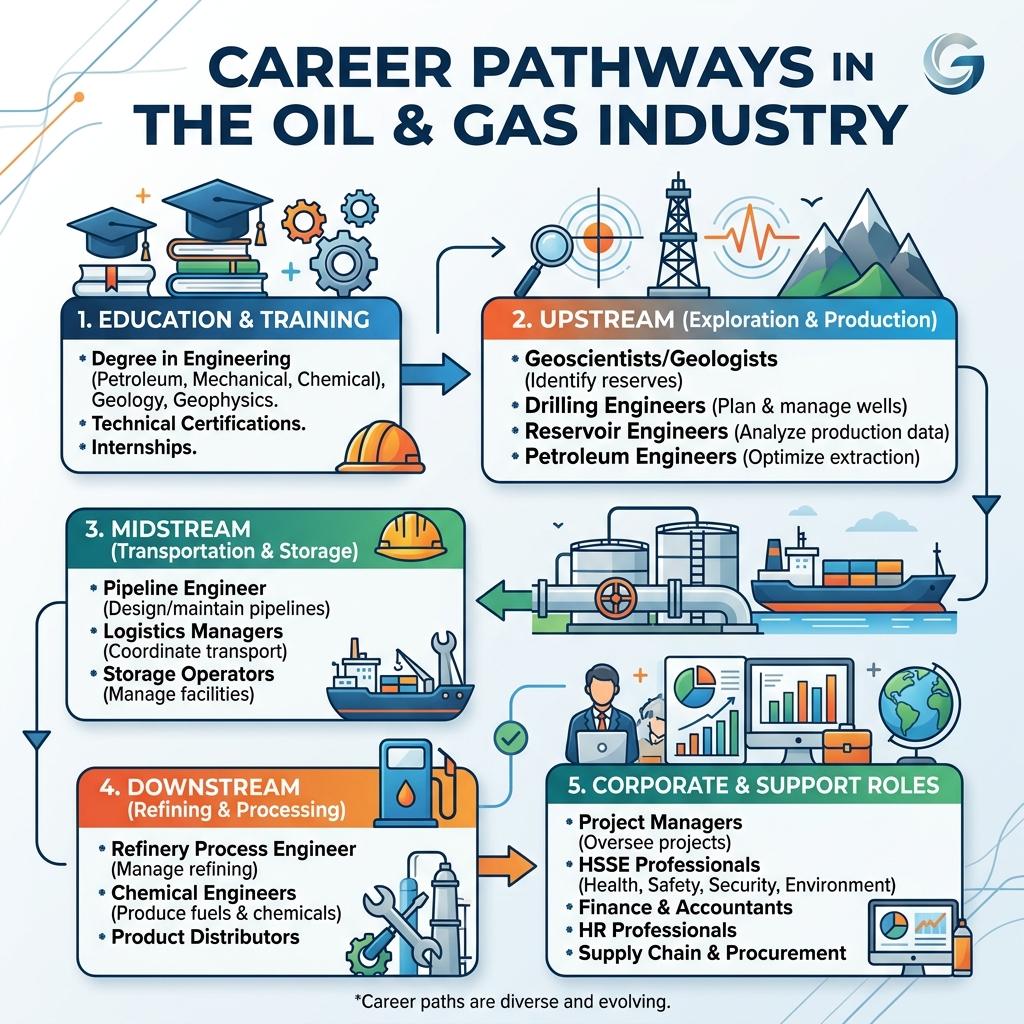
What are the primary sectors of the oil industry, and what jobs exist in each?
The oil and gas industry is divided into three major sectors, each offering distinct career paths:
| Sector | Description | Common Jobs |
|---|---|---|
| Upstream | Exploration and production (E&P) of raw crude oil and gas. | Geologists, Drilling Engineers, Rig Operators |
| Midstream | Transportation, storage, and wholesale marketing of resources. | Pipeline Engineers, Logistics Managers, Dispatchers |
| Downstream | Refining crude oil and purifying natural gas into products. | Chemical Engineers, Plant Operators, Maintenance Techs |
What are the average salary ranges for entry-level positions?
The oil sector is known for its lucrative compensation, even at the entry-level. While salaries vary globally based on region and company size, standard starting ranges in the US market include:
| Entry-Level Job Title | Estimated Annual Salary (USD) |
|---|---|
| Field Engineer / Mud Engineer | $70,000 - $90,000 |
| Geoscientist | $80,000 - $100,000 |
| Roughneck / Roustabout | $50,000 - $65,000 |
| Health & Safety (HSE) Officer | $60,000 - $80,000 |
What educational background is required to become a Petroleum Engineer?
Becoming a petroleum engineer requires a strong foundation in STEM (Science, Technology, Engineering, and Mathematics). The typical educational requirements include:
- Bachelor's Degree: A four-year degree in Petroleum, Mechanical, or Chemical Engineering is the minimum standard.
- Coursework: Subjects like thermodynamics, fluid mechanics, geology, and well drilling are essential.
- Internships: Practical field experience or summer internships with E&P companies are highly recommended for job placement.
- Master's Degree (Optional): Required primarily for specialized research, advanced reservoir modeling, or academic careers.
What are the most in-demand skills for modern oil industry careers?
As the industry evolves with new technologies and environmental regulations, employers are seeking a blend of traditional and modern skills:
- Data Analytics & IT: Familiarity with AI, machine learning, and big data to optimize drilling and production.
- HSE Compliance: Deep understanding of Health, Safety, and Environmental regulations.
- Project Management: Ability to manage multi-million dollar budgets and tight operational timelines.
- Adaptability: Willingness to learn new carbon-capture and emission-reduction technologies.
How is the renewable energy transition impacting oil and gas careers?
The shift toward renewable energy is transforming, rather than eliminating, careers in the oil and gas sector. Traditional oil companies are rebranding as "energy companies" and diversifying their portfolios. Consequently, career longevity now relies on adaptability.
Professionals are transitioning their skills to adjacent fields. For example, reservoir engineers are moving into geothermal energy or carbon capture and storage (CCS) projects. Offshore drilling experts are highly sought after for offshore wind farm installations. Continuous upskilling in green technologies ensures long-term career viability.
What is the typical career progression for a Field Operator?
Field operators usually follow a clear hierarchical path based on experience, safety records, and certifications. A typical progression looks like this:
- Trainee / Roustabout: Performing basic manual labor, maintenance, and learning site safety.
- Junior Operator: Monitoring specific equipment, taking readings, and assisting senior staff.
- Lead Operator / Driller: Managing a team, overseeing control room operations, and ensuring daily production targets.
- Site Supervisor / Rig Manager: Overseeing the entire facility, managing budgets, logistics, and total site safety.
Can someone transition into the oil industry with a non-technical degree?
Yes, the oil industry relies heavily on massive corporate structures that require business and administrative support. Non-technical graduates can find lucrative careers in several departments:
- Supply Chain & Logistics: Managing the complex movement of heavy equipment and hazardous materials globally.
- Human Resources: Recruiting specialized talent and managing rotational workforce payrolls.
- Finance & Accounting: Handling commodity trading, risk management, and capital expenditure tracking.
- Land Management: Negotiating land leases and mineral rights with property owners.
What are the typical work schedules for offshore oil rig employees?
Offshore work requires specialized rotational schedules, commonly referred to as "hitches." Because employees live on the rig, schedules are designed to balance intense work periods with extended time off.
- Common Rotations: 14/14 (14 days on, 14 days off) or 28/28 are standard. International or remote rigs may use 21/21 or 4/4 (weeks).
- Daily Shifts: While on the rig, employees typically work 12-hour shifts followed by 12 hours of rest.
This schedule allows for significant continuous time at home, though it requires missing holidays and family events during the "on" rotation.
How important are health and safety certifications for career advancement?
Health, Safety, and Environment (HSE) is the absolute top priority in the oil and gas industry. Certifications are not just for advancement; they are often mandatory to step foot on a site.
Key certifications include:
- BOSIET: Basic Offshore Safety Induction and Emergency Training (mandatory for offshore workers).
- NEBOSH/OSHA: Globally recognized occupational safety certifications for management roles.
- H2S Alive: Training for environments with hazardous hydrogen sulfide gas.
Maintaining a spotless safety record and acquiring advanced HSE certs is a guaranteed way to secure promotions to supervisory roles.
Are there remote work opportunities available in the oil and gas sector?
Historically, oil and gas required physical presence, but digitalization has drastically increased remote work opportunities. Advancements in IoT (Internet of Things) and high-speed satellite internet have created hybrid and fully remote roles.
Examples of remote careers include:
- Remote Operations Centers: Engineers monitor and control drilling parameters from city-based offices hundreds of miles away from the physical rig.
- Data Scientists: Analyzing seismic data and well-logs from home offices.
- Administrative Support: HR, procurement, and legal teams often operate on remote or hybrid schedules.