 jobdayta.com
 Jobs and Career in Publishing Industry
Publishing encompasses the process of producing and distributing written, digital, or multimedia content to a wide audience. It involves editing, designing, marketing, and disseminating books, magazines, journals, and digital media formats. Advances in technology have transformed traditional publishing into a dynamic digital industry, expanding access through eBooks, online platforms, and print-on-demand services. Key stakeholders include authors, publishers, editors, distributors, and retailers who collaborate to deliver diverse content worldwide.
What are the primary career paths available in the publishing industry?
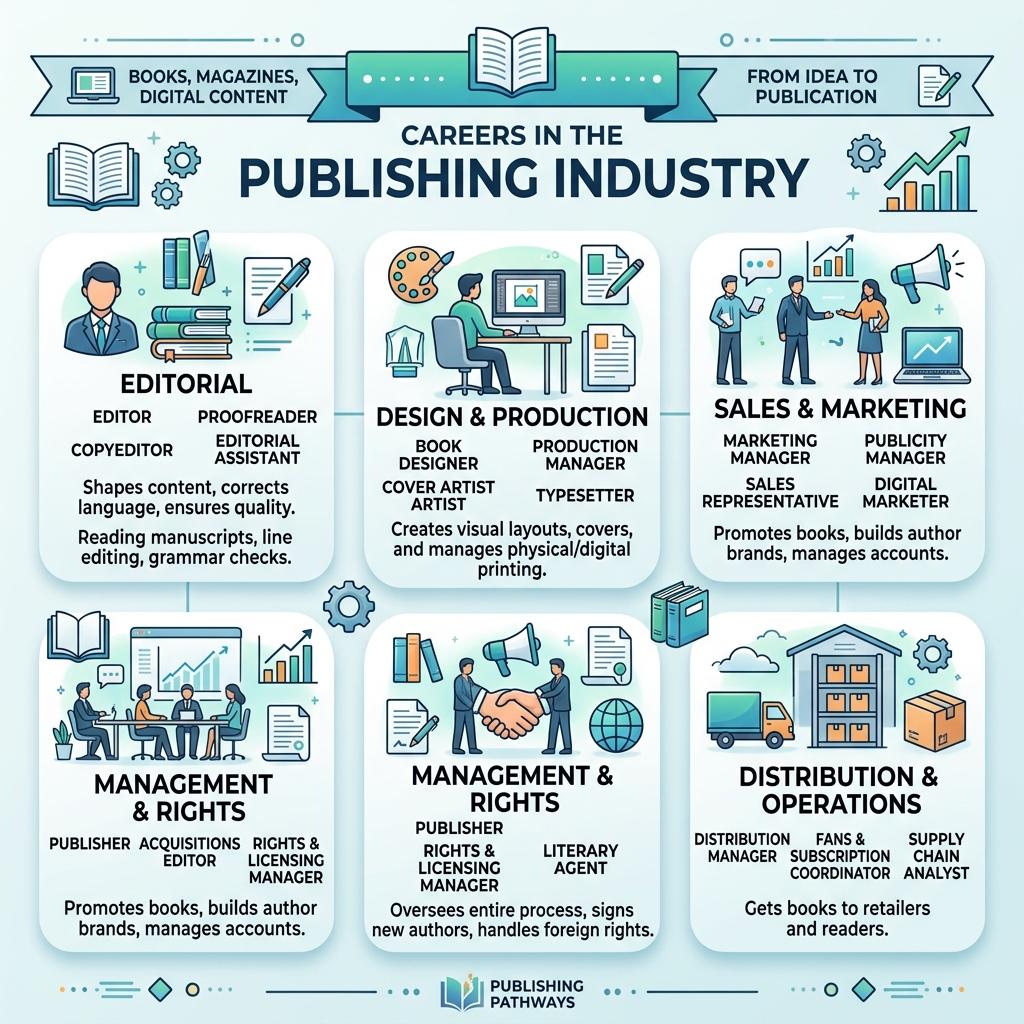
The publishing industry offers a variety of career tracks beyond just editing. While editorial roles are popular, a successful book launch relies on a diverse team of professionals. The main career paths include:
- Editorial: Focused on acquiring, shaping, and polishing manuscripts.
- Marketing and Publicity: Responsible for generating buzz, securing media coverage, and running advertising campaigns.
- Sales: Pitching books to independent bookstores, massive retailers (like Amazon), and libraries.
- Production and Design: Managing the physical/digital creation of the book, including typesetting, cover design, and printing.
- Rights and Contracts: Handling legal agreements and selling translation, audiobook, and film/TV adaptation rights.
What is the typical salary progression for editorial roles in trade publishing?
Salaries in publishing can vary heavily by region and company size, but traditional trade publishing (especially in major hubs like New York or London) generally follows this structure:
| Job Title | Experience Level | Estimated Salary Range (USD) |
|---|---|---|
| Editorial Assistant | 0 - 2 years | $45,000 - $55,000 |
| Assistant/Associate Editor | 2 - 5 years | $55,000 - $65,000 |
| Editor | 5 - 8 years | $65,000 - $85,000 |
| Senior/Executive Editor | 8+ years | $85,000 - $130,000+ |
How can someone break into the publishing industry with no prior experience?
Entering the highly competitive publishing industry requires persistence, networking, and a demonstration of industry knowledge. Follow these steps to get started:
- Read Widely and Analytically: Familiarize yourself with current bestsellers, imprints, and market trends. Know what is selling and why.
- Secure Internships: Apply for remote or in-person internships at literary agencies, small presses, or "Big Five" publishers to build your resume.
- Freelance: Offer proofreading, beta reading, or manuscript evaluation services to independent authors to build a portfolio.
- Network: Attend local book fairs, join publishing organizations (like YPG - Young to Publishing Group), and conduct informational interviews with industry professionals.
What is the difference between trade publishing and academic/educational publishing?
The publishing industry is divided into distinct sectors, catering to entirely different audiences and operating on different business models.
- Trade Publishing: Produces books intended for the general consumer market. This includes commercial fiction, literary fiction, memoirs, cookbooks, and children's books. Success relies heavily on retail sales, marketing, and literary trends.
- Academic/Educational Publishing: Focuses on textbooks, scholarly journals, and research monographs. The target audience includes universities, researchers, and K-12 school districts. This sector is usually more stable and lucrative than trade publishing, with career paths leaning heavily into peer-review management and institutional sales.
What skills are essential for a successful book editor?
A book editor needs a balance of hard technical skills and soft interpersonal skills to succeed in guiding a book from draft to publication.
- Hard Skills:
- Mastery of grammar and style guides (e.g., The Chicago Manual of Style).
- Proficiency in developmental editing and copyediting.
- Familiarity with project management software and basic typesetting tools (like Adobe InDesign).
- Understanding of P&L (Profit and Loss) statements to determine a book's financial viability.
- Soft Skills:
- Diplomacy: Delivering constructive criticism without discouraging the author.
- Time Management: Juggling multiple manuscripts at different stages of production simultaneously.
- Trend Forecasting: Having an intuitive "gut feeling" for what readers will want to buy two years in the future.
How is digital media changing career opportunities in traditional publishing?
Digital media has fundamentally transformed publishing, creating entirely new career opportunities while shifting traditional ones. The explosive growth of audiobooks has created high demand for audio producers, voice directors, and sound engineers within publishing houses.
Additionally, the rise of BookTok and Bookstagram has forced marketing departments to pivot. Publishers are now aggressively hiring digital marketing specialists, social media managers, and influencer coordinators. Data analytics has also become a critical career path, as publishers rely heavily on consumer data, metadata optimization, and SEO experts to ensure books are discoverable on massive e-commerce platforms like Amazon.
What is the difference between a literary agent and an acquisitions editor?
While both roles involve discovering new talent and reading manuscripts, their allegiances and day-to-day responsibilities are very different.
| Feature | Literary Agent | Acquisitions Editor |
|---|---|---|
| Works For | The Author | The Publishing House |
| Main Goal | To secure the best possible book deal, advance, and contract terms for their client. | To buy profitable, high-quality books that fit the publisher's specific imprint and budget. |
| Income Source | Commission-based (typically 15% of the author's earnings). | Salaried employee of the publishing house. |
What are the typical stages of career progression for an editor?
The editorial career ladder is notoriously rigid, usually requiring professionals to spend a few years at each rung before advancing. The typical progression is:
- Editorial Assistant: Handles administrative tasks, reads slush pile submissions, writes reader reports, and drafts tip sheets.
- Assistant Editor: Takes on minor editing tasks, begins building relationships with agents, and may acquire a few low-budget titles.
- Associate Editor: Actively acquires and edits their own list of books while still doing some administrative support.
- Editor / Senior Editor: Focuses entirely on acquiring, editing, and championing high-profile books.
- Editorial Director / Editor-in-Chief: Oversees the entire imprint's strategy, manages the editorial team, and makes final purchasing decisions.
Are publishing certificates or Master's degrees necessary for career advancement?
No, a Master's degree in Publishing or a post-graduate certificate is not strictly necessary to advance in the industry. The publishing industry heavily values practical experience, internships, and networking over formal degrees.
However, publishing programs (like the Columbia Publishing Course or NYU's Master's program) can be highly beneficial for entry-level candidates. They offer unparalleled networking opportunities, direct access to hiring managers, and a comprehensive overview of how the industry works. While these programs can fast-track your entry into your first job, your subsequent promotions will be based entirely on your job performance, the success of your books, and your professional reputation.
What does a career in subsidiary rights entail?
A career in subsidiary rights (sub-rights) is one of the most dynamic and financially critical paths in publishing. Rights professionals do not sell books to readers; they sell the intellectual property of the book to other businesses.
Key responsibilities in this career path include:
- Pitching books to foreign publishers to secure translation deals.
- Negotiating with film and television studios for screen adaptation rights.
- Selling audio rights to dedicated audiobook producers.
- Attending major international networking events, such as the Frankfurt Book Fair and the London Book Fair.
This path is perfect for individuals who excel at sales, negotiation, contract law, and international relations.