 jobdayta.com
 Jobs and Career in Sport Industry
Sport enhances physical fitness, mental well-being, and social connections by engaging individuals in various activities such as football, basketball, and tennis. Competitive sports foster teamwork, discipline, and strategic thinking while promoting healthy lifestyles. Global events like the Olympics and FIFA World Cup showcase athletic excellence and unite diverse cultures through shared passion. Participation in sports also supports community development and encourages youth empowerment worldwide.
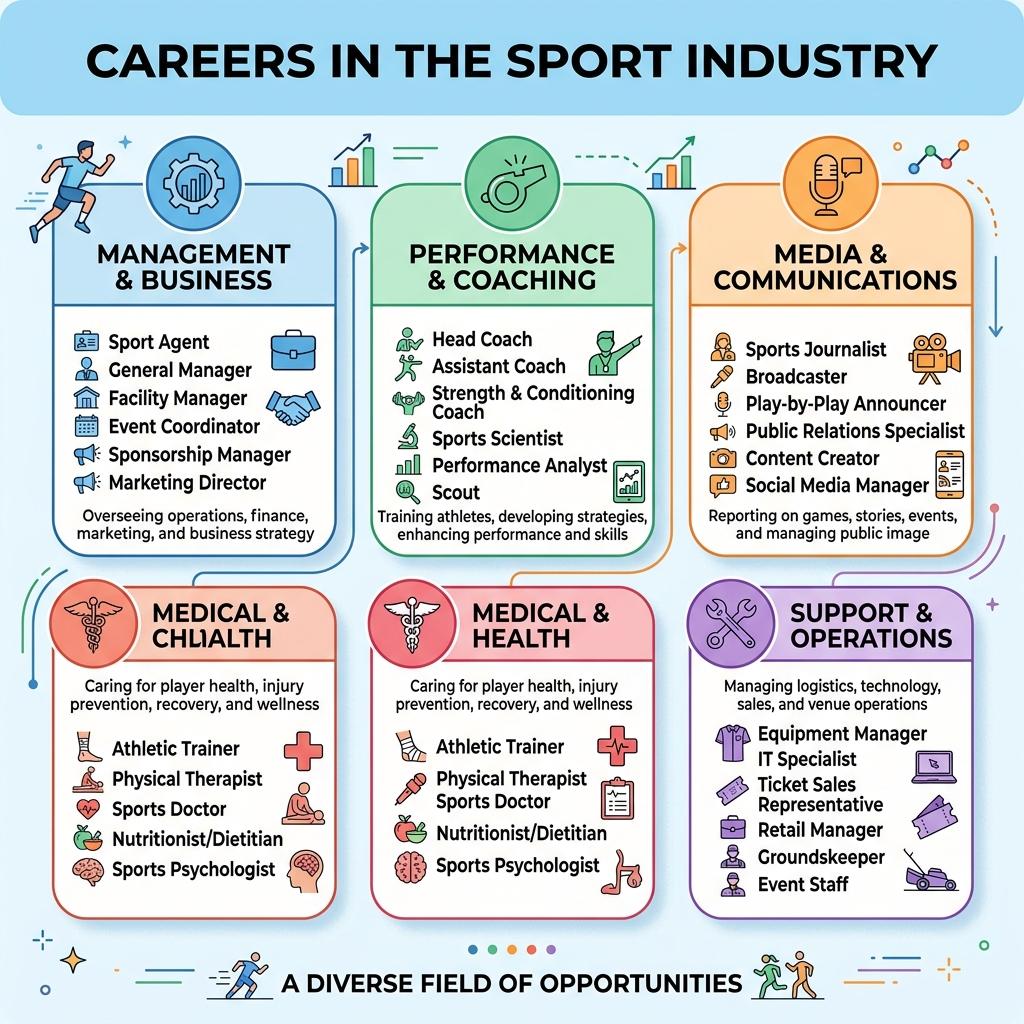
What are the most common entry-level jobs in the sports industry?
The sports industry offers various entry-level roles that provide a foundation for long-term career growth. The most common positions include:
- Ticket Sales Representative: Focuses on selling season tickets and group packages.
- Marketing Coordinator: Assists with promotional events and social media campaigns.
- Operations Assistant: Helps manage game-day logistics and facility maintenance.
- Public Relations Intern: Drafts press releases and manages media credentials.
Starting in these roles allows young professionals to learn the business side of sports, build essential industry networks, and understand the fast-paced nature of game-day operations.
How much do sports managers typically earn based on their experience?
Salaries for sports managers vary significantly based on experience, location, and the level of the organization. Below is a general salary progression:
| Experience Level | Average Annual Salary |
|---|---|
| Entry-Level (0-2 years) | $40,000 - $55,000 |
| Mid-Level (3-7 years) | $60,000 - $90,000 |
| Senior-Level (8+ years) | $100,000 - $150,000+ |
| Executive (VP/Director) | $150,000 - $300,000+ |
Performance bonuses and commissions often supplement these base salaries, especially in revenue-generating roles like sales and corporate partnerships.
What key skills are required to succeed in sports marketing?
Sports marketing is highly competitive and requires a blend of traditional marketing knowledge and industry-specific passion. Key skills include:
- Digital Fluency: Mastery of social media platforms, SEO, and content creation to engage global fan bases.
- Data Analysis: The ability to interpret fan demographics and campaign metrics to maximize ROI.
- Relationship Building: Essential for managing corporate sponsorships and brand partnerships.
- Adaptability: The sports landscape changes rapidly with trades, wins, and losses; marketers must pivot strategies instantly.
Strong communication skills are also vital for pitching creative ideas to stakeholders.
What is the typical career path for a professional athletic trainer?
Becoming a head athletic trainer for a professional sports team requires rigorous education and hands-on experience. The standard career path involves:
- Earn a Degree: Obtain a Bachelor’s or Master’s degree in Athletic Training from an accredited program.
- Get Certified: Pass the Board of Certification (BOC) exam to become a certified athletic trainer (ATC).
- Complete Internships: Gain clinical experience through college athletic departments or minor league teams.
- Entry-Level Roles: Work as an assistant athletic trainer at a high school, clinic, or university.
- Advance to Pro Levels: Move up to head positions in professional sports organizations after years of proven clinical success.
How can networking help in landing a job in sports?
Networking is arguably the most critical factor in landing a sports job. The industry is notoriously insular, and hiring managers frequently rely on referrals. Building a robust network allows you to access the "hidden job market"—positions filled before they are even advertised publicly.
To network effectively, attend industry events like the MIT Sloan Sports Analytics Conference, participate in local sports commissions, and conduct informational interviews with professionals in roles you aspire to hold. Volunteering at major sporting events is another excellent way to demonstrate your work ethic to key decision-makers and build organic relationships.
What degree do I need to work in sports analytics?
Sports analytics is a rapidly growing field that requires strong quantitative skills. While some universities now offer specific degrees in Sports Analytics, traditional STEM degrees are highly valued. Commonly preferred degrees include:
- Statistics or Mathematics
- Data Science
- Computer Science
- Economics
Alongside formal education, proficiency in programming languages like Python, R, and SQL is mandatory. Candidates should also be familiar with data visualization tools like Tableau. To stand out, applicants often build portfolios showcasing independent projects, such as analyzing player performance data using public datasets.
What are the differences between working for a pro team versus a college athletic department?
While both sectors share similarities, the core focus and operational structures differ significantly:
| Feature | Professional Sports | College Athletics |
|---|---|---|
| Primary Goal | Profitability and entertainment. | Student-athlete development and alumni engagement. |
| Revenue Streams | Ticket sales, TV deals, sponsorships. | Donors, tuition, conference payouts. |
| Regulations | League rules (e.g., NFL, NBA). | NCAA compliance and Title IX. |
| Job Stability | Can be volatile, tied to team performance. | Generally more stable, tied to university budgets. |
College roles emphasize education and compliance, whereas pro roles focus heavily on commercial success.
How important are internships for career development in sports?
Internships are the lifeblood of career development in the sports industry. Because sports jobs attract thousands of applicants, having practical, hands-on experience is a strict requirement for almost all entry-level positions.
Internships provide three critical benefits:
- Skill Application: Translating classroom theory into real-world game-day operations.
- Resume Building: Demonstrating a commitment to the grueling hours often required in sports.
- Networking: Working directly alongside hiring managers and executives.
Many sports organizations recruit their full-time staff exclusively from their former intern pools. Completing multiple internships helps you pinpoint your ideal career niche.
What are some emerging career opportunities in the sports industry?
The sports industry is evolving rapidly, driven by technology and changing fan habits. This has created several lucrative, emerging career paths:
- Esports Management: Managing teams, sponsorships, and tournament logistics for competitive video gaming.
- Sports Betting Analyst: Working with sportsbooks or media companies to set odds and analyze betting trends.
- Biometric Data Specialist: Using wearable technology data to optimize player performance and prevent injuries.
- Sustainability Director: Helping stadiums reduce their carbon footprint and implement green initiatives.
Professionals pivoting into these tech-forward roles often face less competition and higher starting salaries compared to traditional sports jobs.
How can a former athlete transition into a corporate sports role?
Former athletes possess incredible soft skills—like teamwork, resilience, and leadership—but often need to develop corporate hard skills to successfully transition. The best approach involves:
- Identify Transferable Skills: Map on-field experiences to corporate needs, such as translating "team captaincy" to "project management."
- Pursue Further Education: Many athletes complete MBA programs or specialized sports management master's degrees to learn finance, marketing, and sports law.
- Leverage Alumni Networks: Connect with former teammates or university boosters who are already established in the corporate world.
- Seek Mentorship: Partner with front-office executives who can guide you through the business side of the organization.
Programs like the NFLPA’s athlete transition initiatives specifically help navigate this career pivot.