 jobdayta.com
 Jobs and Career in Pharmaceutical Industry
Pharmaceuticals encompass a broad range of drugs and medications designed to diagnose, treat, and prevent diseases. The industry integrates advanced biotechnology, chemical synthesis, and clinical research to develop innovative therapies. Regulatory bodies like the FDA and EMA ensure the safety, efficacy, and quality of pharmaceutical products. Continuous advancements in drug delivery systems and personalized medicine drive the evolution of this critical healthcare sector.
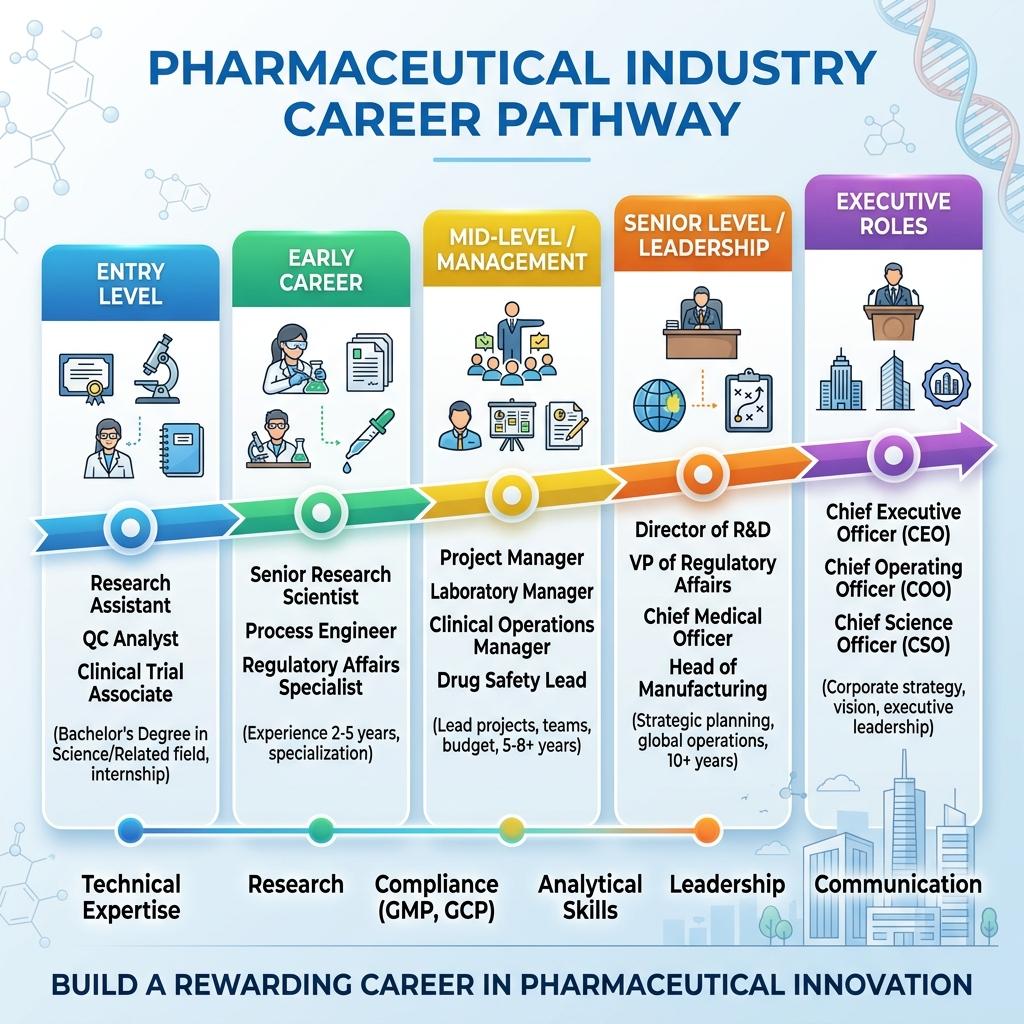
What are the primary career paths available in the pharmaceutical industry?
The pharmaceutical industry offers a diverse range of career paths tailored to various skill sets. The primary sectors include:
- Research & Development (R&D): Focuses on drug discovery, formulation, and pre-clinical testing.
- Clinical Research: Manages human trials to evaluate drug safety and efficacy.
- Manufacturing & Quality Control: Ensures medicines are produced safely, consistently, and at scale.
- Regulatory Affairs: Navigates legal and government compliance (e.g., FDA, EMA interactions).
- Commercial & Sales: Handles the marketing, market access, pricing, and distribution of approved therapies.
What educational backgrounds are required for careers in the pharmaceutical industry?
Educational requirements vary significantly depending on your chosen department:
- Research & Development: Typically requires a Ph.D. or Master’s degree in Chemistry, Biology, Pharmacology, or a related science.
- Clinical Trials: A Bachelor’s degree in life sciences or nursing is standard, often supplemented by specialized clinical research certifications.
- Manufacturing & Quality Assurance: Bachelor’s degrees in Chemical Engineering, Biochemistry, or Microbiology are highly preferred.
- Sales & Marketing: A Bachelor’s degree in business, communications, or life sciences provides a strong foundation.
How do salaries compare across different pharmaceutical roles?
Salaries in pharma vary based on role, location, and experience. Below is an estimated comparative overview for the US market:
| Role | Entry-Level Salary | Senior-Level Salary |
|---|---|---|
| Research Scientist | $70,000 | $140,000+ |
| Regulatory Affairs Specialist | $65,000 | $130,000+ |
| Clinical Trial Manager | $85,000 | $160,000+ |
| Pharmaceutical Sales Rep | $60,000 + Commission | $120,000+ + Commission |
What is the typical career progression for a Clinical Research Associate (CRA)?
The career trajectory for clinical research professionals is highly structured. A typical progression involves:
- Entry Level: Clinical Trial Assistant (CTA) or Clinical Data Coordinator.
- Core Roles:
- CRA I (Monitoring basic trial sites)
- CRA II (Handling complex trials and data management)
- Senior CRA (Mentoring juniors and lead monitoring)
- Management: Clinical Trial Manager (CTM) overseeing entire studies and site budgets.
- Executive: Clinical Operations Director, responsible for managing global trial portfolios.
What is the role of a Regulatory Affairs professional?
Regulatory Affairs (RA) professionals act as the crucial link between pharmaceutical companies and government agencies like the FDA or EMA. Their primary objective is to ensure that a company's products comply with all relevant legislation. Key responsibilities include:
- Compiling and submitting comprehensive dossiers for new drug approvals.
- Advising R&D teams on regulatory requirements during early drug development.
- Reviewing marketing, packaging, and labeling materials for legal compliance.
- Negotiating with regulatory authorities regarding drug safety protocols and efficacy data.
How can a scientist transition from a laboratory role to a management position?
Transitioning from the bench to management requires shifting focus from technical expertise to leadership and business acumen. Steps to achieve this include:
- Cross-functional exposure: Volunteer for project management tasks that involve collaborating with QA, marketing, or regulatory teams.
- Further Education: Pursue an MBA, a Master’s in Regulatory Affairs, or a Project Management Professional (PMP) certification.
- Soft Skills Development: Proactively enhance your communication, conflict resolution, and strategic planning skills.
- Mentorship: Seek guidance from current managers and express your upward career aspirations to human resources.
What are the most promising emerging job opportunities in the pharma sector?
Advancements in technology and personalized medicine are creating new, high-demand niches within the pharmaceutical industry. Promising emerging roles include:
- Bioinformatics Scientists: Combining biology and computer science to analyze vast genomic datasets.
- AI and Data Scientists: Utilizing artificial intelligence to accelerate drug discovery and optimize patient selection for clinical trials.
- Pharmacogenomics Specialists: Developing tailored therapies based on individual genetic profiles.
- Digital Health Managers: Overseeing the integration of wearable tech and mobile health apps with traditional pharmaceutical therapies.
What are the differences between working in Big Pharma and a Biotech Startup?
Choosing between a massive pharmaceutical corporation and a nimble biotech startup heavily impacts daily work life and career growth:
| Feature | Big Pharma | Biotech Startup |
|---|---|---|
| Role Scope | Highly specialized, narrow focus. | Broad, requiring individuals to wear many hats. |
| Resources | Abundant funding and state-of-the-art facilities. | Limited budgets, requiring resourceful problem-solving. |
| Risk & Reward | High job stability, steady career progression. | High risk of failure, but massive potential equity rewards. |
| Pace | Slower, heavily bureaucratic processes. | Fast-paced, agile decision-making. |
Why is Pharmacovigilance considered a vital and growing career field?
Pharmacovigilance (PV), or drug safety, involves the detection, assessment, understanding, and prevention of adverse pharmaceutical effects. It is a rapidly growing career field due to:
- Stricter Global Regulations: Health authorities are demanding more rigorous post-market surveillance.
- Complex Therapies: Biological drugs and advanced medicines often carry unique safety profiles requiring continuous monitoring.
- Public Safety Focus: Protecting patients from harmful side effects prevents massive legal liabilities and costly product recalls.
Professionals in PV enjoy high job security and often work globally to analyze and report safety data.
What soft skills are essential for career advancement in the pharmaceutical industry?
While technical expertise gets you hired, soft skills are what drive promotions and career development in pharma. Crucial soft skills include:
- Cross-functional Communication: The ability to accurately explain complex scientific data to non-scientists, such as marketing teams or investors.
- Adaptability: The industry is constantly changing due to new regulations and scientific breakthroughs; professionals must pivot quickly.
- Attention to Detail: Critical in clinical trials and quality control, where a small error can cost millions or endanger lives.
- Ethical Integrity: Upholding the highest moral standards when dealing with patient data and drug safety reporting.