 jobdayta.com
 Career Path Assessment
1. Do you prefer working with people or data?
2. Do you prefer creative tasks or logical tasks?
3. Do you like working in an office or outdoors?
4. Do you prefer solving problems or following instructions?
5. Do you prefer working independently or in a team?
Discover Trending Jobs & Evolving Careers
Welcome to Jobdayta.com, your go-to source for the latest job descriptions and career trends. Whether you're exploring new fields or seeking to stay ahead in your current industry, we've got you covered. Dive in to uncover in-demand roles, essential skills, and career insights tailored for today's workforce.
1. What are the most important skills needed for career growth?
Key skills for career growth include:
- Communication skills – Conveying ideas clearly.
- Problem-solving abilities – Tackling challenges efficiently.
- Adaptability – Embracing change and learning new skills.
- Time management – Prioritizing tasks effectively.
- Technical expertise – Staying updated with industry knowledge.
2. How can I identify the best job for my skills and interests?
Begin by evaluating your strengths, weaknesses, and passions. Career assessments and personality tests (like Myers-Briggs or StrengthsFinder) can offer insights. Research different roles, industries, and growth opportunities. Shadow professionals, seek internships, and ask for informational interviews. Matching your core skills and interests with job requirements is essential for long-term satisfaction.
3. What is the difference between a job and a career?
| Job | Career |
|---|---|
| A single position of employment, often short-term. | A long-term professional journey built on a series of connected employment opportunities. |
| Focused on earning income and fulfilling immediate needs. | Focused on growth, progression, and personal fulfillment. |
Trending
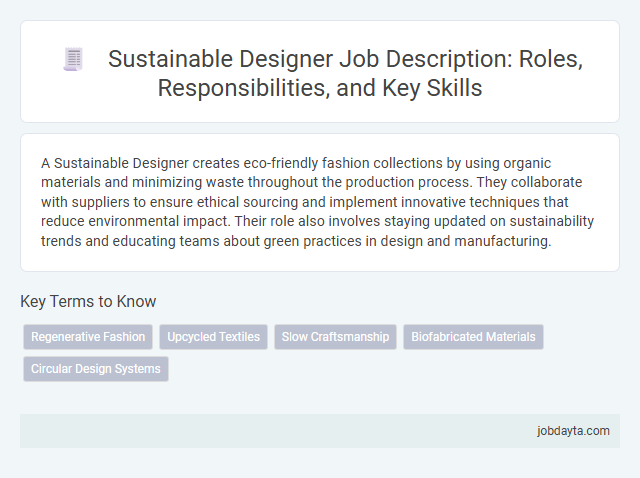 Sustainable Designer Job Description: Roles, Responsibilities, and Key Skills
4. How important is networking for career development?
Networking is crucial for career development. Building a strong professional network can help you learn about job openings, gain industry insights, receive mentorship, and grow relationships that could lead to new opportunities. Both online (LinkedIn, professional forums) and offline (events, conferences) networking are essential in today’s job market.
5. What strategies can help in finding a new job?
- Update your resume and LinkedIn profile.
- Set clear job search goals and target roles/industries.
- Network with industry professionals.
- Apply to jobs through multiple channels (company websites, job boards, recruiters).
- Prepare thoroughly for interviews.
- Follow up on applications and interviews.
6. How can I prepare for a job interview?
Research the company and job description thoroughly. Practice common interview questions and develop your personal elevator pitch. Prepare examples of your achievements using the STAR method (Situation, Task, Action, Result). Dress appropriately, arrive early, and bring copies of your resume. Show enthusiasm and ask insightful questions about the role and organization.
7. What are the benefits of continuous learning for career advancement?
Continuous learning keeps your skills current, increases your value to employers, and enhances job satisfaction. It also enables you to adapt to technological and industry changes, pursue promotions, transition to new roles, and stay competitive in your field. Lifelong learning can take the form of courses, certifications, workshops, and self-study.
8. Should I prioritize salary or job satisfaction?
While salary is important for financial stability, job satisfaction plays a crucial role in long-term happiness and health. Ideally, find roles that offer a balance of both. If you must choose, consider your current financial situation, career goals, and personal values. High job satisfaction often leads to better performance and future earning potential.
9. What can I do if I feel stuck in my current job?
- Evaluate your career goals and identify what’s lacking.
- Discuss development opportunities with your manager.
- Seek new responsibilities, projects, or learning opportunities.
- Network within and outside your company.
- Consider additional training or certifications.
- Explore job openings or career shifts if change is needed.
10. How can I negotiate a better salary or job offer?
Research industry salary standards for your role and location. Prepare to discuss your achievements and unique value. Express gratitude for the offer and explain your reasons for seeking a higher salary or benefits. Be clear, professional, and open to compromise. Practice your pitch and be ready to justify your request with data and examples.

At Jobdayta, we shine a spotlight on the most sought-after professions and the dynamic nature of modern workplaces. Our platform empowers you with up-to-date information and resources to help you make informed career decisions. Stay ahead of the curve in your professional journey by leveraging the latest job trends and expert guidance we provide.